ChatGPT Now Lets You Claim Your Business. Here’s What Louisiana Business Owners Should Do This Week.
Last updated: November 11, 2026 · By Kayce Sadler, Founder & CEO, Abode Marketing
Can you claim your business in ChatGPT? Yes, as of this week. On November 10, 2026, OpenAI opened Businesses in ChatGPT, a free beta where owners can find their business, verify they own it, pass a quick identity check, and then correct the details ChatGPT shows people. It lives at chatgpt.com/business-hub. If you own a local business in Louisiana, it’s worth 20 minutes this week, and it’s worth doing in the right order.
Here’s my take, one Louisiana owner to another: more of your customers are asking ChatGPT “who should I call?” before they ever open Google. This is the first time OpenAI has given owners a front door. It won’t move you to the top by itself, and OpenAI says so plainly. But it lets you make sure that when ChatGPT does mention you, it has your right name, phone, hours and website.
Key takeaways
- It’s new and it’s free. OpenAI launched Businesses in ChatGPT on Nov 10, 2026 as a free beta at chatgpt.com/business-hub.
- The owner has to do it. You verify with a code to your business phone or email (or a DNS record or Shopify), then pass an identity check with a government ID and business registration details.
- Local businesses can only claim a listing that already exists. If ChatGPT doesn’t have you yet, the work is getting the rest of the web straight first.
- Claiming doesn’t buy placement. OpenAI says claiming carries no guarantee of better placement. Your Google profile, listings, reviews and website still do the heavy lifting.
- ChatGPT ads exist, but they aren’t the first move for a local shop. Get found for free first.
What is Businesses in ChatGPT?
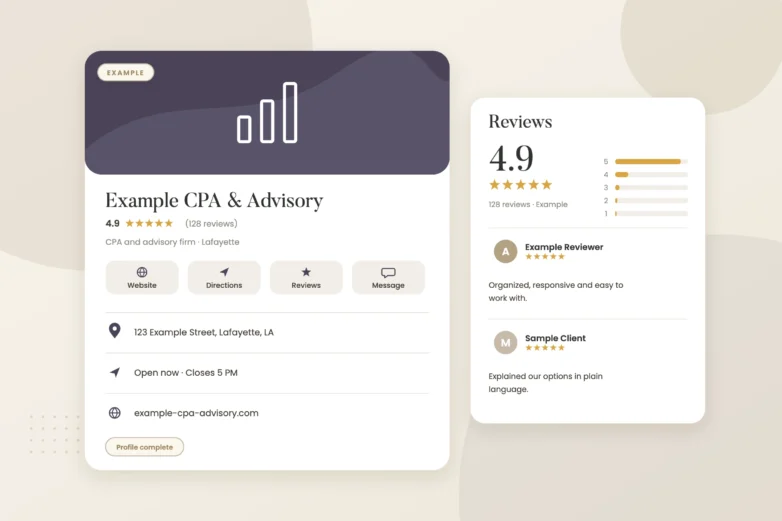
It’s OpenAI’s version of a business profile, a little like what Google Business Profile is to Google. Before this, ChatGPT pieced together what it knew about your business from around the web, and you had no way to fix it. Now there’s a Business Hub where a verified owner can manage what ChatGPT shows. VentureBeat’s launch coverage (Nov 10, 2026) and the hands-on guides published that day describe the same pieces:
- Your profile: website, description, category, logo, cover photo and similar details. Changes are reviewed before they publish.
- A verified badge once your claim and identity check are approved.
- Insights: how often ChatGPT mentions you, profile views, website clicks, and the topics people were asking about when you came up. For a local business, a mention counts when your location is shown.
- Business Agents: a branded chat assistant. For now that’s limited to U.S. online stores and online service companies, not local shops or service-area businesses.
One honest note on Insights: small businesses may see blanks at first, because numbers only show up after a minimum amount of activity. A blank isn’t a zero.
Why does this matter for a Louisiana business?
Because the question has moved. People who used to type “roofer near me” now ask, “Who’s a good roofer in New Iberia who does commercial jobs?” or “Which insurance agency in Lafayette actually answers the phone?” ChatGPT answers with names. If it has your old phone number, the wrong hours, or a closed second office, you lose that customer before you ever knew they were looking.
I’ve seen this happen in real life. A woman in Houma hired a law firm we work with, and when she was asked how she found them, she said ChatGPT named them first. Nobody can promise that outcome, and I never would. But it shows the moment that matters: the person is choosing right then. Claiming your profile is how you make sure the facts in that moment are yours.
How do you claim your business in ChatGPT, step by step?
Plan on about 20 minutes, plus waiting time for review. Have your business phone or business email handy, and your driver’s license. Here’s the flow, based on OpenAI’s setup steps and the walkthroughs published on launch day by DeltaV Digital and We Call Shotgun:
- Sign in to ChatGPT with the account you want to own the profile. Use a business login you’ll keep, not a personal account an employee controls.
- Go to chatgpt.com/business-hub and search for your business name. Pick the right location from the list.
- Click Get started and choose a verification method. ChatGPT only shows the methods that fit your business: a code texted or called to your business phone, a code sent to your business email, a DNS TXT record on your website’s domain, or your Shopify account. For most local owners, the phone or email code is the easy route. Use the phone number that’s on your listing.
- Wait for OpenAI’s review. They may ask for more information.
- Complete the identity check through Persona. This is the step people get stuck on. You’ll be asked for a government-issued ID, and you may be asked for business registration details and proof that you’re authorized to act for the business. In Louisiana, that’s usually your Secretary of State business filing (your LLC or corporation record). If your ID name doesn’t match the name on the filing, have something ready that shows you’re an owner or officer.
- Edit your profile and check Insights. Fill in every field, match your details to your Google Business Profile exactly, and save. Edits are reviewed before they go live.
Two things to know before you start. You must be the owner or an authorized representative. If you have an agency helping you (we do this for our clients), we can prepare everything, but the identity check is in your name. And if your listing says “Contact support,” it’s locked, so you’ll need to request access from OpenAI. If someone else already claimed your business, guides report a Dispute ownership option in the listing menu that walks you through verifying it’s yours.
What if your business isn’t listed in ChatGPT?
This is the part most guides skip. Right now, local stores and restaurants can only claim an existing U.S. listing. Online businesses with a website may see an option to add themselves, but a local business can’t create one from scratch. In early tests, the option for businesses that visit customers or serve an area was marked “coming soon.” That covers a lot of us: roofers, plumbers, pool builders, mobile services.
If you can’t find yourself, don’t panic and don’t try to force it. Do this instead:
- Search a few ways: your exact name, the name plus your town, and any old name.
- Get your details consistent everywhere ChatGPT is likely to look (more on that next).
- Check back every couple of weeks. This is a beta, and OpenAI is adding business types.
- Don’t sign up as an online business just to get in if you’re a local, in-person business. Pick the type that’s true.
What should you fix before you claim?
ChatGPT doesn’t learn about you from the Business Hub alone. It learns from the rest of the web, and your claimed profile should match it. BrightLocal’s 2026 research on which sources AI tools cite for local businesses found Google Business Profile was the most-cited source overall, Yelp showed up as a major ChatGPT source, and the businesses’ own websites made up most of the cited domains. For lawyers, legal directories like Justia and Avvo showed up too. So here are the five things I’d fix first:
- Your Google Business Profile. Right primary category, every service listed, real photos, current hours, and the same phone and address as your website. If you have a duplicate profile or an old second location, clean it up. This is the biggest one.
- Consistent listings. Your business name, address and phone should match on Yelp, Facebook, Bing Places, Apple Business Connect, the BBB and your industry directories. Old addresses are the most common problem I find for Louisiana businesses that have moved offices.
- Reviews, and not just on Google. Ask every happy customer, and ask them to mention what you did and the town. Reply to every review. A one-star Yelp page with one review is a weak spot ChatGPT can see.
- Website pages and schema. One clear page per service and per town you serve, with LocalBusiness or industry schema (LegalService, InsuranceAgency, RoofingContractor) so machines can read who you are, what you do and where. A five-page template site gives AI very little to work with.
- Answers to the questions customers ask. An FAQ on your site, written the way you’d answer on the phone: how much, how long, do you do commercial, do you work with my insurance. AI tools pull from pages that answer plainly and up top.
If you want the deeper version of why this works, I wrote about how local owners compete with big brands in AI search and how to get more Google reviews in Louisiana.
What claiming your ChatGPT profile won’t do
I want to be straight with you, because you’ll hear big promises about this. OpenAI says ChatGPT will keep making independent recommendations, and that claiming carries no guarantee of better placement or more sales. An OpenAI product lead reportedly said joining shouldn’t affect how often a company appears. So:
- It won’t push you above a competitor with three times your reviews.
- It won’t fix an outdated Google profile or a thin website.
What it does do is put you in control of your own facts, give you a new window into how ChatGPT talks about you, and get you set up early while most of your competitors haven’t heard of it yet. That’s worth a lot.
Should you run ChatGPT ads?
Probably not yet, if you’re a local service business. OpenAI opened a self-serve ChatGPT Ads Manager to U.S. businesses in May 2026 with no minimum spend, and you can pay per click (OpenAI’s suggested starting bid is $3 to $5) or per thousand views. Ads are matched to the conversation using context hints, not keywords, and you can target by state, DMA or ZIP code (PPC Land, May 2026).
That’s promising, but for a roofer in Abbeville or an agency in Broussard it’s still early. There’s no keyword control, results for small local advertisers are unproven, and law firms and medical practices need to check OpenAI’s ad policies and their own state rules first. My advice: claim your free profile and do the five fixes above. Those keep working whether or not you ever buy an ad.
How Abode handles this for you
ChatGPT business profile setup is now part of our AI search optimization work. Before you claim, we clean up your Google Business Profile, lock your listings, get reviews coming in, and add the pages and schema ChatGPT reads. Then we walk you through the claim and the ID step (that part has to be you), keep the profile current, and track your Insights every month alongside your local SEO. We work with one business per type in each town, so if you’re in, your town is yours.
Want to see where you stand first? Book a free visibility audit and I’ll show you how Google and ChatGPT see your business today, or get a free AI visibility report. Or send me a note and I’ll get back to you.
Frequently asked questions
Is it free to claim my business in ChatGPT?
Yes. Claiming your business in ChatGPT is free during the beta that launched November 10, 2026. OpenAI hasn’t ruled out charging for some features later, and ChatGPT ads are a separate, paid product.
What do I need to verify my business?
You verify ownership with a code sent to your business phone or business email, a DNS TXT record on your domain, or your Shopify account. Then you complete an identity check through Persona, which can ask for a government ID, business registration details and proof that you’re authorized to act for the business.
Can my marketing agency claim my ChatGPT profile for me?
Your agency can prepare everything, but the claim has to be made by the owner or an authorized representative, and the identity check is done by the person managing the listing. At Abode, we get your Google profile, listings and website ready, then walk you through the claim and ID step.
What if my business doesn’t show up in the Business Hub?
Local businesses can currently claim only existing U.S. listings, and the option for service-area businesses was marked coming soon at launch. Make sure your Google Business Profile, Yelp, Bing Places and other listings are complete and consistent, then check back every couple of weeks.
Will claiming my profile help me rank higher in ChatGPT?
Not by itself. OpenAI says claiming doesn’t guarantee better placement. It helps ChatGPT show accurate details about you. Your Google Business Profile, reviews, consistent listings and a clear website are what help you get recommended.
Should my law firm or medical practice run ChatGPT ads?
Not yet for most. ChatGPT ads are open to U.S. businesses, but they’re matched by context rather than keywords and results for local advertisers are unproven. Regulated businesses should review OpenAI’s ad policies and their own professional rules before testing.
Sources: VentureBeat, Nov 10, 2026 · DeltaV Digital, Nov 10, 2026 · We Call Shotgun, Nov 10, 2026 · Tilio, Nov 10, 2026 · BrightLocal, 2026 · PPC Land, May 5, 2026 · PPC Land, May 23, 2026
About the author: Kayce Sadler is the founder of Abode Marketing in Youngsville, Louisiana. She helps law firms, medical practices, insurance agencies and home-service businesses across Acadiana get found on Google, Maps and AI search.

You Might Also Like