How Do I Know Which Marketing Channel Actually Signed the Case?
Last updated: November 13, 2026 · By Kayce Sadler, Founder & CEO, Abode Marketing
You connect three things that usually live apart: where the lead came from, what intake did with it, and whether it became a signed case. Call tracking and form tracking answer the first part, your intake process answers the second, and your case management system answers the third. Most firms only have the first.
Key takeaways
- Leads and signed cases are different numbers. Judge channels on signed cases and fees, not calls.
- Give each lead a source at the moment it arrives, and carry that source into intake and the case file.
- Use call tracking numbers on your website and ads only. Keep your main number on Google and every directory.
- Ask “how did you hear about us” as a backup, not as the only system.
- Review it monthly: leads, qualified leads and signed cases by channel.
Why isn’t call tracking enough by itself?
Call tracking tells you that a call came from Google Ads, your Google Business Profile or a billboard number. It doesn’t tell you whether that caller had a real case, whether intake signed them, or what the case was worth. A channel that brings fifty calls and two cases can look better than one that brings ten calls and four cases if you only count calls.
Here’s my take: the most useful number for a law firm owner isn’t cost per lead, it’s cost per signed case by channel, checked against the fees those cases produce.
How do I set up tracking from first call to signed case?
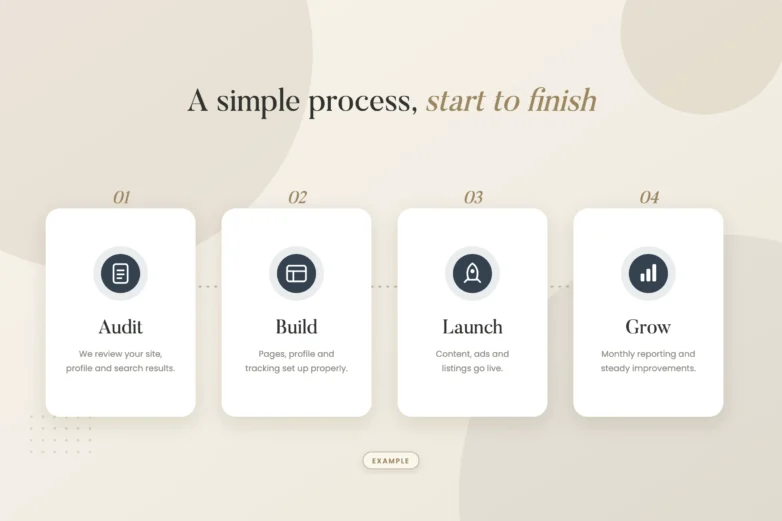
- Tag every source. Use tracking numbers on the website and in ads, and UTM tags on links from Google Business Profile, social and email, so each lead arrives with a source.
- Capture forms the same way. Pass the source into the form submission so web leads carry it too.
- Log it at intake. Intake records the source on every new lead, along with whether it was qualified and why not if it wasn’t.
- Carry it into the case. When the case is opened in your case management system, the source field comes with it.
- Close the loop. Each month, count leads, qualified leads, signed cases and fees by source.
Won’t call tracking numbers hurt my local SEO?
They can if they’re used carelessly. Your main office number should stay the same on your Google Business Profile, website contact page and directories, because consistent business information helps search engines trust your listing. The setup we use keeps your main number on your Google Business Profile, Apple Maps, Bing and every directory, and uses tracking numbers only on the website and in ads. Calls from the Google profile can still be counted with Google’s own call history and UTM-tagged website links.
| Place | Number to use |
|---|---|
| Directories and listings | Main office number |
| Website | Website tracking number |
| Google Ads | Google forwarding number or ad tracking number |
| Google Business Profile | Main office number |
What about cases that come from referrals or word of mouth?
Not everything can be tracked by a number. Someone who saw your billboard, then searched your name, then called from your Google profile will show up as Google. That’s why intake should still ask how the person heard about you, and why name searches are worth watching: rising searches for your firm name usually reflect your offline marketing working.
Referral cases should have their own source in the case file, so you can see which referral partners and past clients actually send you work.
What does a good monthly report look like?
One table: each channel in a row, with leads, qualified leads, signed cases, spend and fees earned. Add a short note on anything unusual. If a channel has spend but no signed cases for three months, that’s a decision to make, and if a channel is quietly producing your strongest cases, that’s where the next dollar should go.
What we’d check first
We’d map every phone number and form on your site, ads and profiles, check how intake records the source today, and see whether that source survives into your case management system.
If you’d like a second set of eyes, our free visibility audit covers this and shows where you stand on Google, Maps and AI search.
More owner questions we’ve answered: How fast should a law firm respond to leads? · Buy PI leads or build your own? · Website traffic but no calls?
Frequently asked questions
What’s the difference between a lead and a signed case?
A lead is any inquiry. A signed case is a client who retained you. Channels should be judged on signed cases and the fees they produce.
Is Google Analytics enough to track law firm marketing?
It shows website visits and form fills, but not phone calls or signed cases unless you connect call tracking and intake. Most firms need all three.
Should we record calls?
Many firms do for training and quality. Check consent requirements and your ethics obligations, and tell callers when calls are recorded.
How long before attribution data is useful?
Give it two to three months to collect enough leads and signed cases to see patterns, longer for practice areas with long intake cycles.
Can a marketing agency see our signed cases?
Only if you share them. Many firms share monthly counts by source without client names, which is enough to judge the marketing.
Sources
- Google Ads Help: About call reporting — How Google Ads tracks calls from ads
- Google Business Profile Help: Guidelines for representing your business — Phone number and business information guidelines
- Louisiana State Bar Association: Lawyer Advertising Rules — Rules that apply to law firm advertising